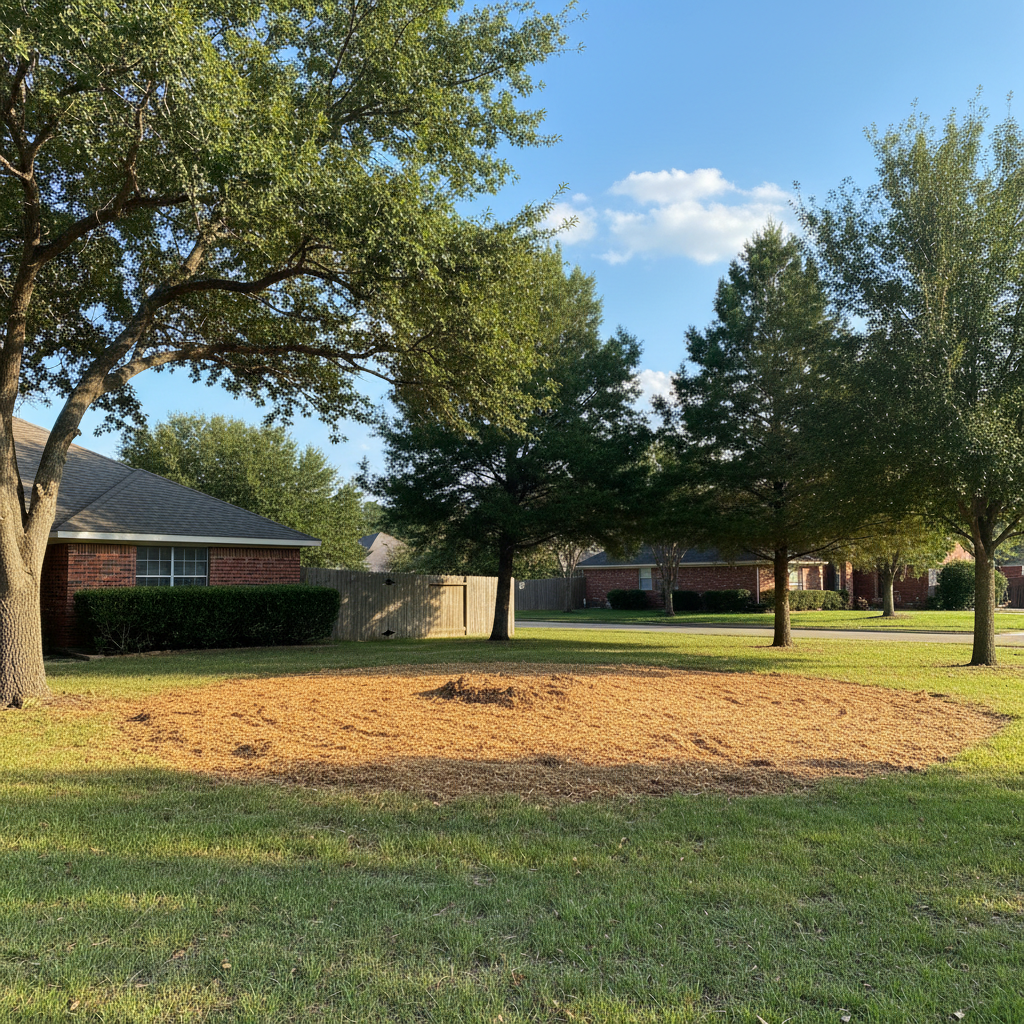
So, you finally had that tree removed. Maybe it was a huge old oak too close to your house, or a sick cedar elm that just couldn't be saved. Whatever the reason, that big job is done. But here's the thing: the story doesn't end when the stump grinder packs up. What you do next, and how you keep an eye on things, makes a huge difference for your yard's health – and your wallet.
Making the Work Last (and Your Yard Stay Healthy)
When I talk about 'making the work last,' I'm really getting at keeping the spot where that tree used to be healthy, so it doesn't cause new headaches. A big tree leaves a big hole, even after stump grinding. That soil's been squashed down, maybe all its good stuff is gone, and suddenly it's getting way more sun than before.
- Handle the Stump Right: If you skipped grinding the stump, do it now. Leaving a stump is basically an open invitation for pests like termites and carpenter ants. And trust me, you absolutely don't want those critters near your house. Plus, it'll eventually rot, becoming a tripping hazard and just a big mess. Grinding it down below the ground, say 6-12 inches, usually does the trick.
- Improve the Soil: That spot where the tree stood? The soil there is probably pretty sad. It's often compacted, and the tree's roots have sucked out tons of nutrients. Mix in some good compost and other organic stuff. This really helps break up the heavy clay we deal with here in Kyle and gives any new plants a fighting chance.
- Thinking About New Plants?: If you're putting in a new tree, really consider what kind. We're in Central Texas, so native, drought-tolerant species are always a smart move. Don't plant something that's just going to get too big for the space again. Give it room to grow.
- Manage Water: The ground around the old tree might drain differently now. Keep an eye on it, especially during our crazy spring rains or those long summer droughts. You don't want water just sitting there, and you certainly don't want it bone dry either.
Regular Check-ups: What to Look For
Even if you're not planting anything new right away, you still need to keep an eye on the area. And if you have other trees nearby, their needs might have shifted too.
- Stump Sprouting: Some trees, especially certain oaks or hackberries, are incredibly stubborn. Even after grinding, they might try to send up new shoots from root pieces left behind. You'll need to cut these back regularly or use a specific herbicide to stop them for good.
- Root Decay: If you had a really big tree, there could still be a lot of root mass underground. As these roots break down, they can create empty spaces in the soil, which might lead to settling. It's usually a slow process, but it's something to be aware of, particularly if you're planning any construction over that spot.
- Neighboring Tree Health: Taking out one tree can definitely affect its neighbors. If that tree was providing shade or blocking wind, the trees around it might now get more sun, more wind, or even different drainage. Watch for signs of stress on these remaining trees — scorched leaves, sudden wilting, or more pest activity.
- Pest and Disease Watch: A rotting stump or leftover root material can attract pests like termites or certain fungi. Keep an eye out for any unusual insect activity or fungal growth in that area.
Signs of Trouble
You don't need to be a tree expert to spot problems. Just pay attention to what your yard is telling you.
- Mushrooms or Fungi: Seeing a lot of mushrooms or other fungal growth around the old stump area, or even further out in the lawn, could mean there's decaying wood underground. Some fungi are harmless, but others can point to a bigger issue, especially if they're growing on remaining roots.
- Sudden Settling or Sinking: If the ground where the tree was removed starts to noticeably dip or sink, it might mean large roots are decaying and creating voids. This isn't usually an emergency, but it's something to address before it becomes a hazard.
- New Pest Infestations: An increase in termites, ants, or other wood-boring insects around the removal site is a big red flag. They're looking for decaying wood, and if they find it there, they might find it in your house next.
- Poor Growth of New Plants: If you've planted something new and it's just not doing well, even with proper care, the soil might still be too compacted, lacking nutrients, or there might be lingering issues from the old tree's presence.
When to Call a Pro
Look, I'm all for doing things yourself, but some jobs are just better left to the experts. You call Kyle Tree Service for a reason, right? Here's when you should pick up the phone:
- Stubborn Stump Sprouting: If you've tried cutting back those sprouts and they just keep coming back, you might need a stronger treatment or a deeper grind.
- Major Ground Settling: If you're seeing big dips or holes forming, especially if they're near foundations or walkways, you need an expert to check the stability and suggest a fix.
- Suspected Pest or Disease Spread: If you're worried about termites moving from an old stump to your house, or if you see signs of disease spreading to other trees, don't wait. We can figure out the problem and recommend solutions.
- Planning Big Landscaping: If you're putting in a new patio, shed, or even a large garden bed over the old tree's footprint, it's smart to have someone check the ground first. You want to make sure there are no surprises from decaying roots that could mess up your new project.
- Anytime You're Unsure: Seriously, if you're scratching your head about something, just call. It's way better to ask a question than to let a small problem turn into a big, expensive one. We're here to help keep your Kyle property safe and looking good.