Thinking of Pruning Your Own Trees? Read This First.
Look, I get it. You see a branch that looks a little off, or maybe your crape myrtle is getting a bit unruly, and you think, "I can handle that." And sometimes, you absolutely can. But sometimes, trying to save a buck on tree work can cost you a whole lot more in the long run – either in a messed-up tree or, worse, a trip to the ER. As a local guy who's been doing this for years, I want to give you the straight scoop on what you can realistically prune yourself here in Kyle, and when you need to pick up the phone and call a pro.
Before You Even Grab the Pruners
First things first, let's talk about timing. For most deciduous trees – that's the kind that loses its leaves in winter – the best time to prune is when they're dormant, usually late fall or winter. Why? No leaves mean you can see the tree's structure clearly, and the tree's not actively growing, so it's less stressed. Spring flowering trees, like those beautiful Texas Redbuds we see around neighborhoods like Plum Creek, you'll want to prune right after they finish blooming. Pruning them before they bloom means you're cutting off all those flowers you're waiting for.
Next, know your tree. Is it young and small, or a mature live oak towering over your house? The size and type of tree dictate a lot about what's safe for DIY. Also, take a good look at the branch you're thinking of cutting. Is it dead? Diseased? Rubbing against another branch? Or just a little long? Having a clear reason for the cut helps you make the right one.
What You Can (Probably) Handle Yourself
For small, young trees or shrubs, and for removing small, dead, or crossing branches, you can probably do it yourself. Here's what I'd say is fair game for the average homeowner:
- Deadwood: If a branch is clearly dead – no leaves, brittle, maybe even a different color – and you can reach it safely from the ground with hand pruners or a pole saw, go for it. Dead branches are a hazard anyway.
- Suckers and Water Sprouts: These are those fast-growing, vertical shoots that pop up from the base of the tree or along branches. They're usually weak and don't contribute to the tree's health or structure. Snip 'em off.
- Small, Crossing Branches: If two branches are rubbing together, one of them needs to go. Pick the weaker or less ideally placed branch and remove it. Make sure it's small enough for hand tools.
- Shaping Small Shrubs: For your smaller ornamentals, a little light shaping to maintain their form is fine.
Always use sharp, clean tools. Dull tools make ragged cuts that are harder for the tree to heal, and dirty tools can spread disease. A quick wipe with rubbing alcohol between cuts, especially if you're cutting diseased wood, is a good habit.
When It's Time to Call Kyle Tree Service (or Another Pro)
This is important. There are some jobs that are just too dangerous or too complex for a DIY approach. Don't risk your safety or your tree's health. Here's when you absolutely need to call in the professionals:
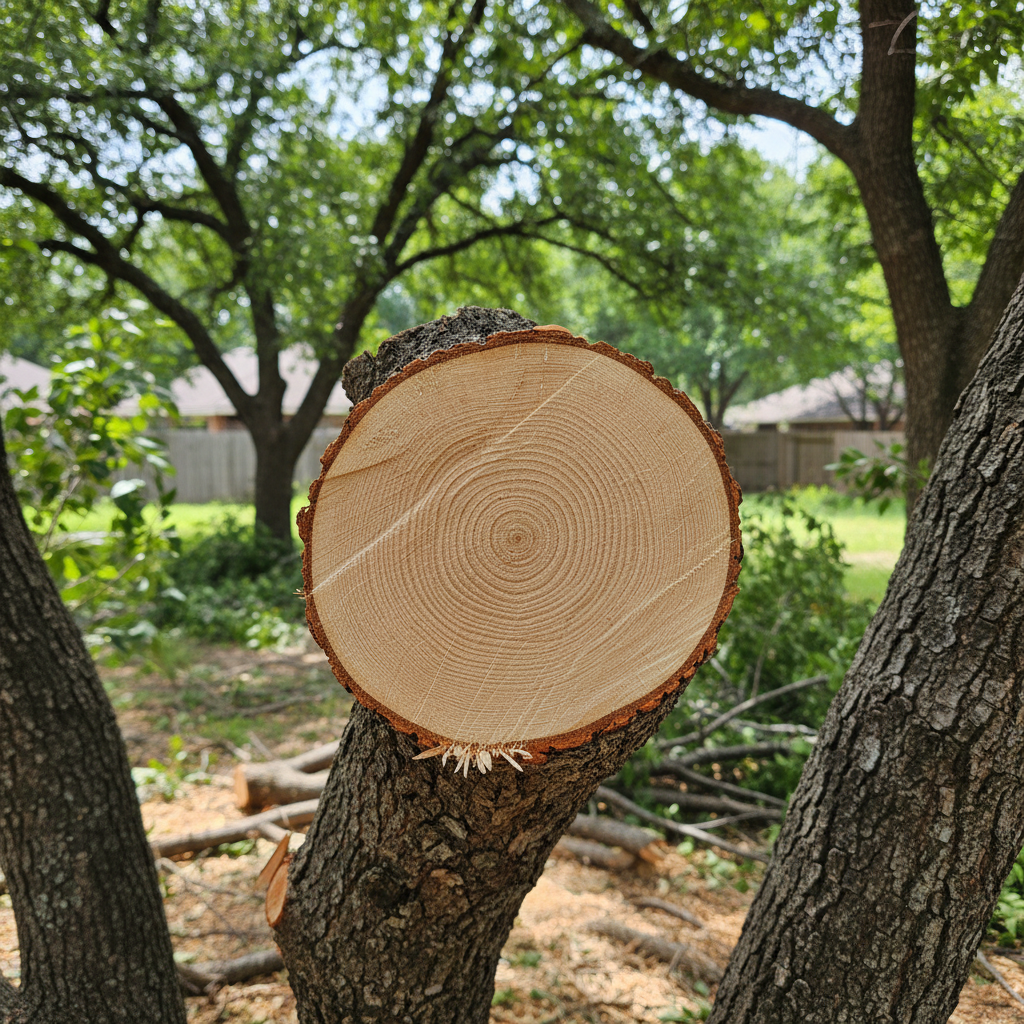
- Any Branch Over 2 Inches Thick: Once you get past a couple of inches in diameter, you're dealing with serious weight and potential for damage. You need specialized tools and techniques to make these cuts safely without tearing the bark or dropping the branch on something (or someone).
- Branches Near Power Lines: This is a non-negotiable. Don't even think about it. Electricity is no joke. Call the power company first, then a pro.
- Working at Heights: If you need a ladder to reach the branch, especially if you're going higher than a step stool, it's too risky. Falls from ladders are a leading cause of injury. Pros have the right equipment – lifts, ropes, harnesses – and training for working safely up high.
- Large Tree Removal or Major Structural Pruning: If you're looking to remove a large limb that's over your house, or if the tree needs significant reshaping or reduction, that's a job for someone who knows tree biology and structural integrity. One wrong cut can permanently damage or even kill a mature tree.
- Signs of Disease or Pests: If you're not sure what's going on with your tree – strange growths, discolored leaves, insect infestations – a certified arborist can diagnose the problem and recommend the best course of action.
After the Cut
Once you've made your cuts, clean up your tools and put them away. Don't use wound paint or sealer on tree cuts; it actually hinders the tree's natural healing process. Just let the tree do its thing. Keep an eye on your tree over the next few weeks and months. You want to see it healing well, not showing signs of stress or new problems.
Remember, a little bit of careful pruning can do wonders for your tree's health and appearance. But knowing your limits is key. If you're ever in doubt, or if the job looks bigger than you can safely handle, give Kyle Tree Service a call. We're always happy to come out, take a look, and give you an honest opinion on what needs to be done.