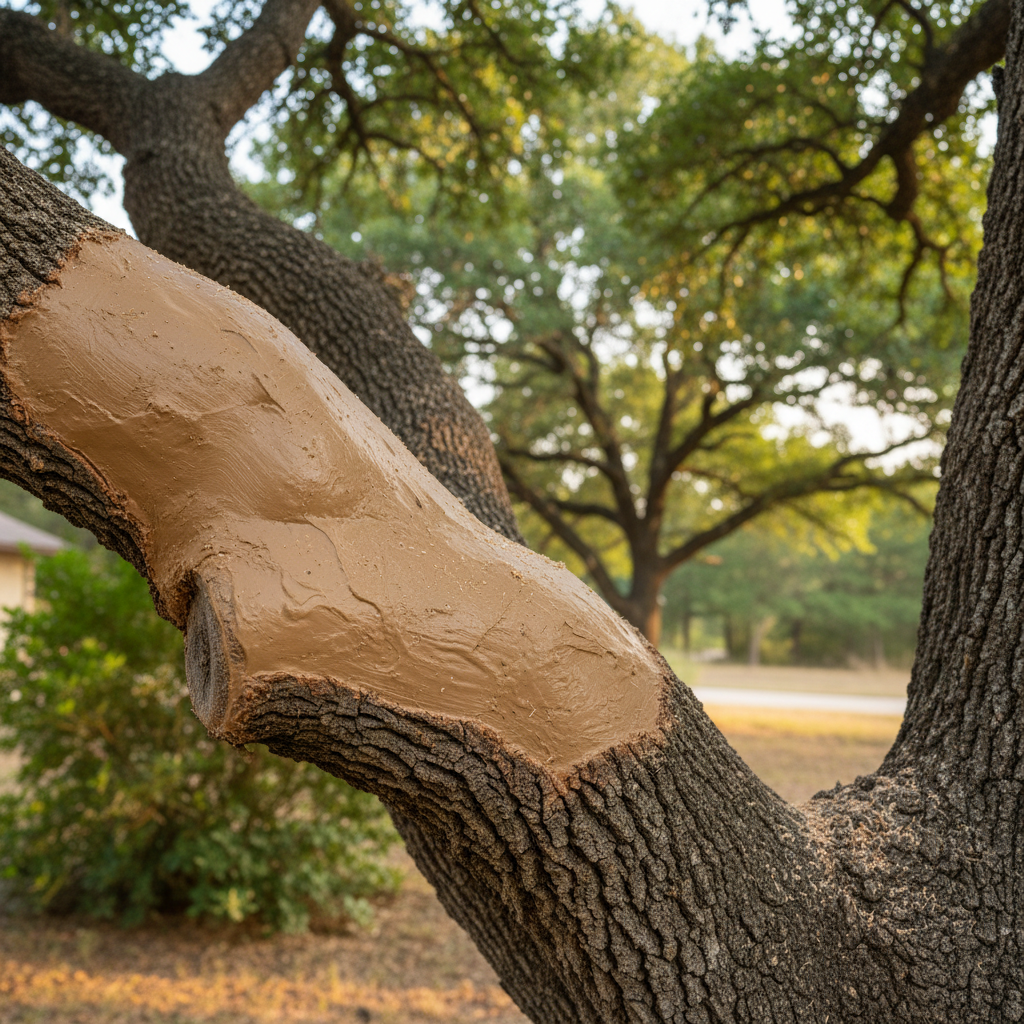
Got trees on your property? Most folks in Kyle do, myself included. And if you're like a lot of homeowners I chat with, you probably want them looking good, giving you some nice shade, and generally not causing any trouble. But sometimes, figuring out what they need, and when, can feel a bit like guesswork. Let's clear some of that up, shall we?
Before You Do Anything: Know Your Trees
First things first, you really need to know what kind of trees you're actually dealing with. Is it a live oak that's been standing there for decades, a young pecan, or something totally different? Every tree has its own unique needs. A live oak, for example, is pretty tough once it's grown, but a younger fruit tree might need a lot more hands-on attention. So, take a good, long look at your trees. What do their leaves look like? Are they a healthy green, or are they turning yellow or getting spots? Do you see any dead branches sticking out? Any strange growths?
A lot of us around here have those gorgeous, mature live oaks, especially in older spots like Plum Creek. These trees are usually pretty resilient, but even they can get stressed out. Knowing what your tree normally looks like helps you spot when something's just not right.
Watering: It's More Than Just Hosing Them Down
This is probably the single most important thing you can do for your trees, especially with our Texas summers. We'll get long dry spells, then sudden heavy rains, and that kind of back-and-forth can really mess with a tree's whole system. Young trees, particularly those planted in the last two or three years, need consistent watering. I'm talking deep watering, not just a quick sprinkle on top. You want that water to get all the way down to the roots, not just sit on the surface.
- For young trees: Water them 2-3 times a week during dry periods. Use a slow drip from a hose or a watering bag so the water really soaks in gradually.
- For established trees: They're tougher, sure, but during those really long dry spells, they still appreciate a good, deep drink every couple of weeks. Think about the drip line – that's the area right under the outer edge of the branches. That's where a lot of their feeder roots are hanging out.
- Don't overwater: Too much water can actually be just as bad as not enough, especially in our clay soils here in Kyle. It can lead to root rot. So, if the soil still feels soggy from the last watering, just hold off for a bit.
You can absolutely handle the watering yourself. It just takes being consistent and paying attention to the weather.
Mulching: Your Tree's Best Friend
If you're not mulching around your trees, honestly, you're missing out on a super easy way to keep them healthy. A good layer of mulch – say, 2-4 inches deep – around the base of your tree does a few really helpful things:
- It helps the soil hold onto moisture, so you won't have to water quite as often.
- It keeps those pesky weeds down; they just compete with your tree for water and nutrients.
- It insulates the soil, which means it stays cooler in the summer and a bit warmer in the winter.
- And as it slowly breaks down, it actually adds nutrients right back into the soil.
Just make sure you don't pile the mulch right up against the trunk itself – leave a few inches of space there. That's what we call a 'mulch volcano,' and it can trap moisture against the bark, which can lead to rot and all sorts of pest problems. You can totally do this yourself. Just grab some natural wood mulch from your local garden center and spread it out.
Pest and Disease Watch: What to Look For
Trees can get sick, just like people do. And they can get bugs, too. Most of the time, your trees can handle a little bit of pest activity, but sometimes it just gets out of control. Here's what I usually tell folks to keep an eye out for:
- Unusual spots or discoloration on leaves: This could be a fungus, or maybe your tree isn't getting enough nutrients.
- Holes in leaves or bark: Pests are probably hard at work. Try to find the actual bugs if you can.
- Sudden leaf drop or wilting: This is a big red flag, definitely.
- Sap oozing from the trunk: Sometimes it's normal, but other times it's a sign of stress or borers.
- Fungus growing on the trunk or branches: Often, this means there's decay happening inside the tree.
For minor issues, you might find some organic sprays or treatments at a garden store. But if you see something serious, or you're just not sure what it is, that's when you should really call in a pro. We've got the experience to figure out what's going on and recommend the right treatment, whether it's a specific pesticide, fungicide, or just a change in how you're caring for it. Don't try to guess with serious infestations; you could easily do more harm than good.
When to Call Kyle Tree Service
So, when exactly do you pick up the phone and give us a ring? Here's my general rule of thumb:
- Large branch removal or pruning: If a branch is thicker than your wrist, or if you'd need to climb a ladder to reach it, that's a job for us. It's dangerous work, and making the wrong cuts can seriously hurt your tree.
- Tree removal: This one's pretty obvious, right? Please don't try to take down a whole tree yourself.
- Diagnosing serious problems: If your tree looks truly sick, or you're worried it might be unstable, get an expert opinion.
- Planting large trees: Getting a big tree in the ground correctly from the start can make all the difference for its long-term health.
- Storm damage: After a big storm, especially with those strong winds we get around here, we can assess the damage and safely remove any broken limbs.
For watering, mulching, and generally keeping an eye on things, you're good to go. But for anything that involves saws, heights, or complex tree health issues, give us a call at Kyle Tree Service. We're here to help you keep your trees healthy and your property safe.